 Electrical systems are critical to modern boating, powering everything from navigation equipment to cabin lights and engines. However, marine electrical safety requires careful attention and regular maintenance to prevent dangerous fires and malfunctions. Boats operate in a unique environment where saltwater corrosion, moisture, and constant vibration accelerate electrical deterioration. Ignoring potential hazards can result in catastrophic fires that spread rapidly in confined spaces. Understanding and implementing proper marine electrical safety measures protects both your vessel and the safety of everyone aboard.
Understanding Marine Electrical Systems
Modern boats rely on complex electrical systems designed to handle the demands of marine environments. These systems include batteries, alternators, wiring, panels, and numerous individual circuits that work together to provide power. Marine electrical systems differ significantly from residential systems because they operate on 12-volt or 24-volt direct current rather than alternating current. The constant exposure to saltwater, humidity, and temperature fluctuations creates unique challenges for marine electrical safety. Proper understanding of how your boat’s electrical system functions is the first step toward preventing electrical fires and other hazards.
Inspecting Wiring and Connections
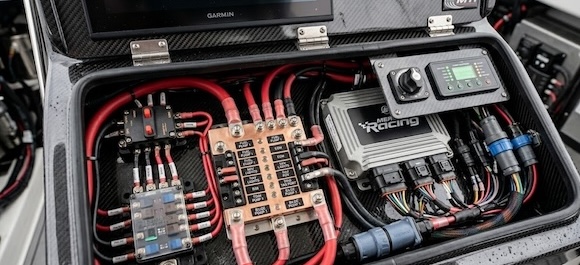
Corroded and damaged wiring represents one of the leading causes of electrical fires on boats. Inspect all visible wiring regularly for signs of deterioration, including cracking, discoloration, and loose connections. Pay special attention to areas near the battery, engine compartment, and below-deck spaces where moisture accumulates. Saltwater corrosion can eat through wire insulation in weeks, exposing live conductors that create fire hazards. Marine electrical safety standards require marine-grade tinned copper wiring, which resists corrosion better than standard copper wire used in homes.
Battery Maintenance and Monitoring
Your boat’s battery serves as the foundation of the entire electrical system and demands regular attention. Check battery terminals monthly for corrosion and clean them using a mixture of baking soda and water to maintain good connections. Ensure all battery cables are properly secured and insulated to prevent accidental contact with metal hull components. Install battery switches to cut power immediately during emergencies or when the boat sits unused for extended periods. Proper marine electrical safety includes using appropriate battery sizes and installation locations that prevent leaks and vibration damage.
Overcurrent Protection Devices
Circuit breakers and fuses protect your boat’s electrical system by automatically shutting off power when current exceeds safe levels. Each circuit should have appropriately sized protection devices rated for marine applications and installed close to the power source. Undersized breakers provide inadequate protection while oversized breakers allow dangerous current levels that cause wire overheating and fires. Never bypass or disable circuit protection devices, even temporarily, as this eliminates crucial safeguards in your marine electrical safety system. Replace blown fuses only with identical specifications and investigate why the fuse blew before restoring power.
Managing Moisture and Corrosion
Moisture penetration represents a constant threat to marine electrical safety in boat environments. Install and maintain proper ventilation systems to reduce humidity levels that accelerate corrosion in electrical components. Use dielectric grease on connectors and terminals to create moisture barriers that protect against saltwater intrusion. Keep bilge areas dry by fixing leaks promptly and running dehumidifiers in enclosed cabin spaces during layup periods. Cover electrical panels and exposed wiring with protective covers when the boat is not in use to minimize moisture exposure.
Professional Inspections and Upgrades
Annual professional inspections by qualified marine electricians provide comprehensive assessments of your boat’s electrical systems and safety compliance. These experts identify potential problems that casual inspections might miss, including loose connections deep within the electrical panel and corroded components inside engine compartments. Consider upgrading older systems that do not meet current marine electrical safety standards, particularly boats more than 10 years old. New installations should follow American Boat and Yacht Council standards that establish best practices for safe marine electrical systems. Professional maintenance records also provide documentation valuable for insurance purposes and boat resale value.
Protecting Your Boat and Crew
Implementing marine electrical safety measures protects both your investment and the people you care about on the water. Regular inspections, proper maintenance, and professional upgrades create multiple layers of protection against electrical fires and dangerous malfunctions. Keep fire extinguishers specifically rated for electrical fires in accessible locations throughout your boat, and ensure all crew members know where they are located. Develop a safety routine that includes monthly electrical system checks and seasonal professional inspections before launching your boat. By taking proactive steps to maintain proper marine electrical safety, you can enjoy years of boating with confidence and peace of mind.