
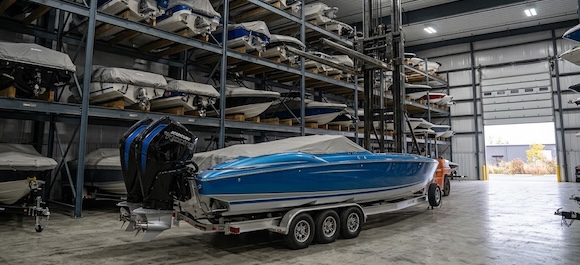
 Proper boat long-term storage preparation is essential for maintaining your vessel’s condition and protecting your investment. Whether you’re storing your boat for the winter season or an extended period, taking the right steps now will prevent costly damage and ensure your boat is ready when you need it. This guide covers the critical systems and maintenance tasks required for boat long-term storage, including electrical, mechanical, and fuel system preparation. By following these comprehensive steps, you’ll minimize the risk of corrosion, engine damage, and other issues that can arise during extended downtime. Let’s explore the key areas you need to address to keep your boat in optimal condition while in storage.
Clean and Protect the Hull
The first step in preparing your boat for long-term storage is thoroughly cleaning the entire hull. Remove all dirt, salt, and organic debris that could cause staining or corrosion during storage. A clean hull also makes it easier to inspect for any damage or areas requiring repair before storing. After cleaning, apply a protective wax or sealant to the exterior to create a barrier against moisture and UV damage. This preventative measure will help maintain your boat’s appearance and structural integrity throughout the storage period.
Drain and Stabilize Fuel Systems
One of the most critical aspects of boat long-term storage is properly managing the fuel system. Stale fuel can break down and form varnish deposits that clog fuel lines and damage the engine. Either drain the fuel tank completely or fill it to the maximum capacity with fresh fuel mixed with a quality fuel stabilizer to prevent oxidation. Run the engine for several minutes after adding the stabilizer to distribute it throughout the fuel system. Change the fuel filter before storage to remove any contaminants that accumulated during the season. Proper fuel management during boat long-term storage prevents expensive engine repairs and ensures reliable starting when you return to the water.
Service Engine and Mechanical Systems
Engine maintenance is crucial before extended boat storage to prevent internal corrosion and mechanical issues. Change the oil and oil filter with fresh oil to remove contaminants and acids that accumulate during normal operation. Flush the cooling system with fresh water and add appropriate antifreeze to protect against freezing and corrosion. Inspect and replace the engine air filter if necessary, ensuring clean air flow when the engine starts again. Grease all moving parts, including steering components and throttle linkages, to prevent corrosion and ensure smooth operation. Consider running the engine briefly with stabilized fuel one final time to coat internal components with protective oil.
Prepare Electrical Systems for Storage
Your boat’s electrical system requires special attention during extended storage periods to prevent battery drain and corrosion. Disconnect the negative battery terminal to prevent parasitic drain that can completely discharge batteries over months of inactivity. Clean all battery terminals and connections with a wire brush to remove corrosion and ensure good contact when you reconnect them. Consider using a battery tender or trickle charger designed for marine use to maintain optimal charge levels without overcharging. Inspect all electrical connections throughout the boat for corrosion or loose contacts that could cause problems after storage. Address any wiring issues before storing to avoid surprises when you’re ready to return to the water.
Secure Your Boat and Prevent Pest Damage
Protecting your boat from environmental damage and pest intrusion is an often-overlooked aspect of proper storage. Cover the boat with a breathable tarp that allows moisture to escape while protecting against UV rays and weather damage. Ensure all windows and hatches are closed and sealed to prevent water infiltration and pest entry during storage. Place mouse and pest deterrents throughout the interior, checking them periodically during the storage period. Install ventilation in the cabin to prevent moisture buildup that encourages mold and mildew growth. Leave cabinet doors and storage compartments slightly ajar to improve air circulation and reduce the risk of musty odors when you return to your boat.
Final Preparations for Extended Rest
Before considering your boat ready for storage, complete a final checklist of important tasks. Top off all fluid levels, including coolant and hydraulic fluid, to prevent corrosion in partially filled reservoirs. Inspect and clean all through-hull fitting screens to prevent clogs when you return to use your boat. Document the current condition of your boat with photographs for insurance purposes and reference. Consult your owner’s manual for any specific storage procedures recommended by the manufacturer for your particular vessel model. Create a detailed storage checklist and keep it with your boat documentation for future reference when you prepare for storage again.
Keep Your Boat Protected and Ready
Preparing your boat for long-term storage requires attention to multiple systems and careful planning, but the investment in preparation pays dividends in the long run. By following these guidelines for electrical, mechanical, and fuel system maintenance, you’ll protect your boat from damage and ensure it’s ready for immediate use when storage ends. Regular inspection during the storage period, such as checking battery charge levels and looking for signs of moisture or pests, helps catch problems early. Contact the professionals at TNT Custom Marine for expert advice on storage preparation or any maintenance needs before your boat goes into extended rest. Taking these steps now will save you time, money, and frustration when it’s time to return to the water.