 A well-maintained electrical system is crucial for the safety and performance of any boat. From ensuring reliable power for navigation lights to operating critical equipment like radios and bilge pumps, a functional electrical setup keeps your boat running smoothly. Neglecting regular upkeep can lead to costly repairs and even dangerous situations on the water. Fortunately, with some basic knowledge and routine checks, you can keep your boat’s electrical system in top condition.
Inspect and Clean Electrical Connections Regularly
One of the most important steps in maintaining your boat’s electrical system is inspecting the connections. Over time, saltwater and corrosion can degrade terminals, wires, and battery posts, leading to poor power flow and potential electrical failures. Regularly check all connections to ensure they are clean, tight, and free from corrosion. If you notice any signs of rust or greenish buildup around battery terminals, gently clean them with a wire brush and a mixture of baking soda and water. Tighten any loose connections to prevent voltage drops, and apply dielectric grease to protect against further corrosion.
Test and Maintain the Battery
Your boat’s battery is the heart of its electrical system, and keeping it in good condition is essential for reliable performance. Start by checking the battery’s charge regularly, especially before longer trips, to ensure it has enough power to run essential systems. Clean the battery terminals and cables as needed to remove any corrosion and keep the connections solid. If your battery is more than a few years old, consider testing it with a multimeter to check its voltage and overall health. It’s also wise to store the battery in a cool, dry place when not in use, and top it off with distilled water if it’s a non-sealed type.
Inspect and Maintain Wiring and Circuitry
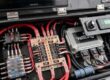
The wiring throughout your boat plays a critical role in delivering power to various systems, and damaged or worn-out wiring can cause shorts, fires, or complete system failures. Periodically inspect all visible wiring for signs of wear, cracking, or fraying, particularly in high-stress areas such as engine compartments. Ensure that wires are securely fastened and not subject to excessive movement, which can lead to abrasion. Use marine-grade wire and insulation to replace any damaged sections, as these materials are specifically designed to resist corrosion and wear in a marine environment. Furthermore, check fuses and circuit breakers regularly to ensure they are functional and rated appropriately for the systems they protect.
Maintaining your boat’s electrical system is not difficult, but it does require attention to detail and regular upkeep. By keeping connections clean, batteries charged, and wiring intact, you’ll ensure that your boat operates reliably and safely. Regular maintenance can help prevent unexpected issues and extend the lifespan of your boat’s electrical components.