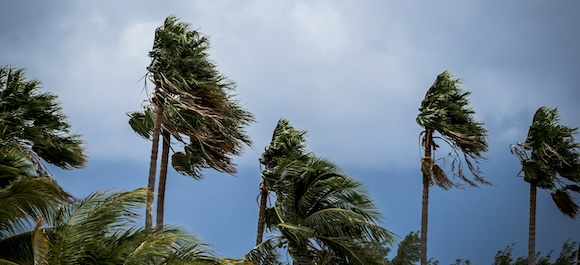
 Hurricane prep tips for boaters are more crucial than ever as the 2025 Atlantic hurricane season gets underway. With predictions of 19 named storms, including several hurricanes of significant strength, boat owners need to be proactive in securing their vessels. From creating a comprehensive storm plan to ensuring that your insurance is up to date, the right steps taken now can prevent costly damage later. Sea Tow has seen firsthand the devastation caused by storms when boaters are unprepared, so don’t wait for a warning. Follow these essential hurricane prep tips for boaters to safeguard your boat and stay safe this season.
With the 2025 Atlantic hurricane season officially underway and another active year predicted, Sea Tow is urging boaters to take proactive steps now to safeguard their vessels. Following a destructive 2024 season that saw multiple billion-dollar storms hit Florida, experts forecast 19 named storms in 2025, including nine hurricanes and four expected to reach Category 3 or higher.
“The 2022 and 2024 hurricane seasons were among the most destructive in recent history,” said Michael Murphy, Catastrophic Event Coordinator for Sea Tow. “Our captains have seen firsthand how quickly things can unravel when boaters aren’t prepared. Don’t wait for a warning—have a plan, secure your vessel, and stay informed.”
According to Sea Tow, early preparation is critical. In areas like Southwest Florida, where three named storms—including Hurricanes Helene and Milton—brought widespread flooding and nearly $5 billion in damage last year, vessel recovery and cleanup are still ongoing.
Sea Tow, which has supported recovery operations in nearly every major Atlantic hurricane since 1989, is sharing key tips for boat owners heading into peak storm months (typically August and September):
- Prepare in advance. Have a storm plan in case a storm is expected to make landfall in the area. The plan should also include what to do after the storm in case a home dock is displaced or destroyed.
- Ensure insurance is up to date. Know and understand the boat’s insurance policy and its coverage. The insurance company may require a hurricane plan or provide specific storage instructions. Store the policy and all documents in a safe place.
- Take pictures of the boat and all contents before the storm to document equipment, boat condition and any pre-storm preparation efforts. These photos may become important to share with the insurance company post-storm.
- Keep in mind that service providers must prepare too and will shut down in preparation for the storm. If the boater depends on any services to assist with securing their vessel, plan so with enough time.
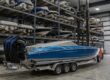
- Ahead of hurricane season, arrange a prepaid haul-out service. Some marinas have long wait lists, and boaters may not be able to find a marina to haul and store a boat a few days before a storm is predicted to make landfall.
- If the boat is being stored at a marina, the boater must know and understand the marina’s storm plan and their own responsibilities.
- Just because the boat is on a lift doesn’t mean it’s safe. Boats can also sink on a lift and drift away if not properly secured. If leaving the boat on a lift, or in its slip, double up all lines so that if one breaks, there’s another one to hold the boat in place.
- If there’s not a safe location or marina to store the vessel, tie the boat securely in the middle of the slip so it can ride up and down with the storm surge. Double all lines and run crossing lines from one end of the vessel to the opposite side of the dock.
- Once the boat is in position to ride out the storm, remove all sails, fishing rods, vinyl windows, Bimini tops, and anything that can fly or float away. Lower all VHF and radio antennas so that they are out of harm’s way. Tie down anything that can’t be removed.
- Ensure the bilge pumps and float switches are operational on the boat. If the boat is on land, leave the drain plug out during a storm so that rainwater can drain.
- Secure the deck hatches down so that if the wind catches, the latch can’t break and open and ruin the interior of the boat.
- Put a tracker on the boat. If the boat floats away from its storage location, this will make it easier to find.
- Once the storm has passed and the boat is back out on the water, stay alert for debris.
- If a boat is damaged or displaced by a storm, it is important to only work with local, licensed and insured companies for recovery.
Original article published on cruisingworld.com