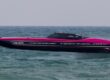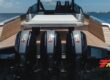
 High-performance marine rigging is a critical factor in maximizing the speed and efficiency of offshore boats. At TNT Custom Marine, rigging is more than just hardware—it’s a carefully calculated system designed for precision and performance. The right rigging setup can enhance stability, reduce drag, and help achieve optimal engine output. In this post, we explore the components and engineering principles behind top-tier marine rigging systems.
Understanding Marine Rigging Fundamentals
Marine rigging involves the installation and configuration of cables, hardware, and structural components that support the mechanical and operational needs of a high-speed boat. These systems are responsible for ensuring all onboard components function together efficiently under stress and speed. Rigging must be customized to each vessel’s size, weight distribution, and intended use. For performance boats, this often means a balance of durability and minimal weight. At TNT Custom Marine, rigging is tailored to meet racing standards, combining strength with streamlined design.
Components That Influence Speed
The materials and layout used in rigging directly impact a boat’s speed and handling. Lightweight, corrosion-resistant metals such as titanium and high-grade stainless steel are commonly used to reduce drag and maintain structural integrity. Cable routing and bracket placement are also optimized to prevent resistance and turbulence at high speeds. Engine mounts and steering systems are reinforced to handle high loads without compromising response time. TNT Custom Marine uses advanced simulation tools to model how rigging setups behave under racing conditions, ensuring real-world performance matches expectations.
Precision Engineering Techniques
Precision is crucial in high-performance rigging. Every component must be measured, fitted, and installed with minimal tolerance for error. TNT Custom Marine employs machining and alignment tools to ensure all parts are accurately integrated. The rigging team calibrates systems based on real data, including engine output, hull dynamics, and GPS performance feedback. This data-driven approach ensures that every element of the boat works in harmony for peak efficiency and reliability.
Rigging Maintenance and Upgrades
Ongoing maintenance is essential to maintain the advantages of high-performance rigging. Rigging systems should be inspected regularly for signs of wear, corrosion, or stress fractures. Replacing worn components promptly prevents performance degradation and potential safety risks. Additionally, as new materials and technologies emerge, upgrading rigging systems can offer measurable gains in speed and control. TNT Custom Marine provides upgrade consultations and full-service overhauls tailored to client performance goals.
Conclusion
High-performance marine rigging is an essential element in achieving maximum speed and control on the water. Through careful design, precise engineering, and regular maintenance, boats can perform at their best under demanding conditions. TNT Custom Marine applies proven techniques and advanced technology to deliver rigging systems that meet the highest performance standards. For competitive racers and serious enthusiasts alike, the science behind rigging is a game-changer.