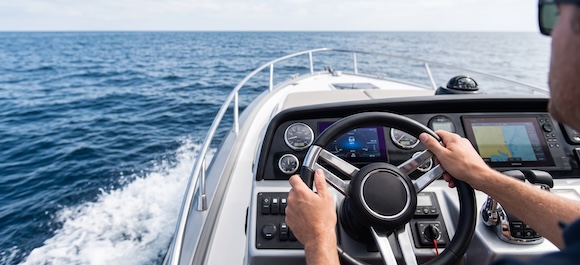
 Steering is one of the most critical components of any high-performance boat, directly affecting safety, control, and overall boating experience. Understanding the differences between hydraulic and electronic boat steering systems can help boat owners make informed decisions about their vessel’s setup. Modern boat steering systems have evolved significantly, offering various advantages depending on your specific boating needs and preferences. Whether you’re navigating calm lakes or challenging ocean conditions, the right steering system plays a vital role in performance. TNT Custom Marine specializes in helping boat enthusiasts select and maintain the ideal steering solution for their watercraft.
Understanding Hydraulic Steering
Hydraulic steering systems have been the industry standard for decades and remain popular in high-performance boats today. These systems use pressurized fluid to transmit steering commands from the helm to the boat’s rudder or outboard motor. The main advantage of hydraulic boat steering systems is their reliability and proven track record across countless vessels and conditions. Hydraulic systems require minimal electronic components, making them less susceptible to electrical failures or software glitches. The tactile feedback provided by hydraulic steering gives experienced captains valuable information about water conditions and boat performance.
Advantages of Electronic Steering
Electronic boat steering systems represent the cutting edge of marine technology and are increasingly common in modern high-performance vessels. These systems use electronic controls to manage steering functions, often with digital displays and programmable settings for enhanced customization. Electronic boat steering systems offer superior precision and can integrate seamlessly with other onboard navigation and control systems. They typically require less physical effort to operate, reducing fatigue during long boating sessions or challenging maneuvers. Many electronic systems also provide features like autopilot integration and smartphone connectivity for remote monitoring.
Performance and Responsiveness Comparison
When evaluating boat steering systems for high-performance applications, responsiveness is a critical consideration that affects handling characteristics. Hydraulic steering systems deliver immediate response with minimal lag, making them ideal for competitive boating and aggressive maneuvers. Electronic boat steering systems can match or exceed hydraulic performance when properly calibrated and maintained by qualified technicians. The responsiveness of either system depends heavily on proper installation, regular maintenance, and alignment with your specific boat’s motor and hull design. Modern electronic systems can actually offer programmable response curves that allow drivers to customize steering feel for different conditions.
Maintenance and Long-Term Reliability
Proper maintenance is essential for both types of boat steering systems to ensure longevity and consistent performance. Hydraulic steering requires periodic fluid checks, seal inspections, and hose replacement to prevent leaks and maintain pressure. Electronic boat steering systems need software updates, connector inspection, and sensor calibration to maintain optimal functionality. The cost of maintaining hydraulic systems typically involves fluid changes and occasional component replacement, while electronic systems may require more specialized technical expertise. Regular professional inspections from qualified marine technicians can extend the service life of either system significantly.
Choosing the Right System for Your Boat
Selecting between hydraulic and electronic boat steering systems depends on your specific boating style, vessel type, and personal preferences. High-performance racers often prefer hydraulic systems for their proven reliability and minimal electronic dependencies in competitive environments. Recreational boaters and cruisers may find electronic boat steering systems more convenient and feature-rich for modern navigation and comfort. Your boat’s age, motor configuration, and existing electrical infrastructure should all factor into the decision-making process. Consulting with experienced marine technicians at TNT Custom Marine can help you evaluate which system best suits your needs and budget.
Maximizing Your Steering System Investment
Whether you choose hydraulic or electronic boat steering systems, proper installation and professional maintenance are crucial for optimal performance. Investing in quality components and expert installation ensures your boat steering systems will deliver reliable, responsive control for years to come. Regular inspections and preventive maintenance help identify potential issues before they develop into costly problems on the water. Many boat owners benefit from upgrading or retrofitting their steering systems to take advantage of newer technology and improved reliability. Working with experienced professionals ensures your boat steering systems are properly integrated with your vessel’s overall mechanical and electrical systems.
Final Thoughts on Steering System Selection
Both hydraulic and electronic boat steering systems offer distinct advantages for high-performance boating applications, and the best choice depends on your unique requirements and preferences. Understanding the strengths and considerations of each type empowers you to make an informed decision that enhances your boating experience. Regular maintenance and professional support ensure your steering system continues to perform reliably regardless of which technology you select. Contact TNT Custom Marine today to discuss your boat steering systems needs and find the perfect solution for your vessel.