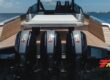
 Proper motor rigging is essential for safe, efficient boat operation. Whether you’re outfitting a new boat or upgrading your current setup, understanding the key rigging components can improve performance and reliability. Each element of the system plays a specific role in engine control, stability, and fuel efficiency. This guide offers a straightforward breakdown of boat motor rigging and the essential parts involved.
Engine Mounting Essentials
Engine mounting is the foundation of a reliable rigging setup. The motor must be securely fastened to the transom or bracket to ensure stability under varying water conditions. Incorrect mounting height or alignment can lead to performance issues, such as cavitation or poor handling. Mounting also affects fuel efficiency and propeller engagement, making proper alignment critical. Stainless steel mounting bolts and reinforced brackets are commonly used to support engine weight and torque. Regular inspection for wear or corrosion at the mounting points is recommended.
Throttle and Shift Cables
Throttle and shift cables connect the helm controls to the engine, allowing the operator to control speed and direction. These cables must be properly sized and routed to minimize friction and avoid binding. Over time, cables can stretch or corrode, leading to sluggish throttle response or shifting problems. High-quality cables are often made with stainless steel cores and corrosion-resistant outer jackets. Lubrication and periodic inspection ensure smooth operation and extend cable life. Choosing the right cable length and style is crucial for consistent performance.
Electrical Wiring and Harnesses
A boat’s motor wiring system connects the ignition, gauges, sensors, and other electronic components. Rigging includes routing harnesses from the control console to the engine in a way that prevents chafing and water intrusion. Marine-grade wiring is essential due to its resistance to moisture, salt, and vibration. Connections should be secure, sealed, and labeled for easy troubleshooting. Fuse panels, circuit breakers, and grounding systems are also important parts of the wiring layout. Proper electrical rigging supports reliable engine starts and accurate instrument readings.
Fuel Lines and Ventilation
Fuel delivery systems are a vital part of motor rigging and must meet specific safety standards. Fuel lines should be rated for marine use and resistant to ethanol-based fuels. Lines must be routed to avoid kinks and shielded from excessive heat sources. Ventilation of fuel compartments is equally important to prevent vapor buildup and reduce fire risk. Fuel filters and water separators should be installed to keep contaminants out of the engine. Regular maintenance of these systems ensures clean fuel flow and engine longevity.
Propeller Selection and Setup
The propeller translates engine power into thrust, making its selection a critical part of motor rigging. Factors like diameter, pitch, and blade count affect speed, fuel economy, and handling. The wrong propeller can overwork the engine or reduce top-end performance. Stainless steel and aluminum are the most common materials used, each with trade-offs in durability and cost. Installing the propeller involves ensuring correct torque on the prop nut and checking for shaft alignment. Periodic inspection helps detect damage or imbalance early.
Ensuring Peak Performance
Boat motor rigging involves a combination of mechanical, electrical, and fluid systems working together for optimal performance. From mounting the engine to selecting the right propeller, each component plays a role in safety and efficiency. Proper installation and maintenance of rigging elements can extend engine life and improve your boating experience. Understanding these key components helps ensure a successful setup tailored to your vessel’s needs.