 Boat owners often focus on horsepower and hull design when thinking about ride quality. However, the way a boat is configured plays a major role in how it performs on the water. Small adjustments in rigging can change how a vessel handles waves, vibration, and balance. A well planned setup allows the boat to run smoother and respond more predictably. Understanding the connection between rigging and comfort helps owners get the most from their equipment.
Understanding Rigging Basics
Rigging refers to how key mechanical and control components are installed and configured on a boat. This includes the engine position, steering system, cables, propeller selection, and electronics placement. When these components are aligned properly, the boat operates efficiently and with fewer unwanted movements. Poor alignment or poorly routed systems can create vibration, noise, and steering resistance. A careful boat rigging setup ensures that all parts work together instead of competing against each other. The result is improved handling and a more comfortable ride in different water conditions.
Engine Height Effects
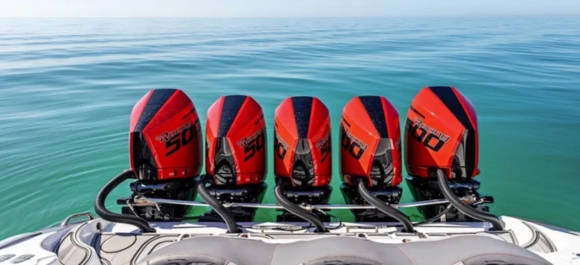
Engine height is one of the most influential factors affecting ride quality. When the engine sits too low, it can create excess drag and cause the boat to plow through the water. This often leads to heavier vibration and reduced fuel efficiency. If the engine is too high, the propeller may lose grip and reduce stability in rough water. Adjusting the height allows the propeller to operate in cleaner water and maintain consistent thrust. A balanced engine position supports smoother acceleration and steadier control during operation.
Weight Distribution Impact
Weight placement throughout the boat affects both stability and comfort. Batteries, fuel tanks, and gear storage all influence how the hull sits in the water. If weight is concentrated in the wrong areas, the boat may lean or bounce excessively over waves. Proper distribution allows the hull to cut through water with less resistance and fewer abrupt movements. This is why experienced installers consider weight carefully during a boat rigging setup. Balanced weight reduces strain on the hull and improves overall ride consistency.
Steering and Control Systems
Steering and control systems also play a significant role in ride comfort. Loose or poorly installed steering components can introduce vibration and unpredictable handling. Hydraulic steering systems, when installed correctly, provide smoother input and reduce driver fatigue. Throttle and shift controls must also be properly adjusted to avoid jerky acceleration or delayed response. Clean routing of cables and hoses prevents friction and wear over time. Attention to these details ensures that the boat responds smoothly to every control movement.
Propeller and Performance
The propeller works directly with the engine to transfer power into motion. Choosing the correct propeller size and pitch affects speed, fuel efficiency, and ride smoothness. An incorrect propeller can cause excessive engine strain and noticeable vibration. Matching the propeller to the engine and hull type improves how the boat lifts and moves across the water. During a boat rigging setup, professionals evaluate propeller options to find the best fit for the vessel. This step often makes a noticeable difference in both comfort and overall performance.
Achieving a Smoother Ride
Ride comfort is influenced by more than just hull design or engine power. Proper rigging ensures that all mechanical and structural elements work together efficiently. When components are installed and adjusted correctly, the boat runs smoother and handles waves with greater stability. Investing in thoughtful setup and professional installation helps boat owners enjoy safer and more comfortable time on the water.