 Marine electrical systems demand more precision and care than their land-based counterparts, especially when it comes to grounding. A poorly grounded boat can lead to safety hazards, equipment failure, or even accelerated corrosion. For both seasoned captains and novice boaters, understanding how to correctly ground a vessel is critical. While the principles of grounding remain consistent, marine environments present unique challenges that require tailored solutions. This post outlines essential best practices for grounding your boat’s electrical system and explains why it’s a step that should never be overlooked.
Understanding Marine Grounding Basics
In marine electrical systems, grounding involves creating a safe path for excess or stray electrical currents to return to the source or the water. Unlike automotive systems, boats operate in highly conductive environments, which increases the risk of electrical faults if grounding is inadequate. A properly grounded system prevents dangerous voltage build-up and helps ensure all onboard electronics operate correctly. This grounding also plays a key role in lightning protection and shielding sensitive equipment from electromagnetic interference. It’s essential to differentiate between AC and DC grounding, as each system follows different protocols in a marine setting.
Key Components of a Grounding System
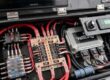
A complete boat grounding system includes several components: a grounding bus, bonding wires, grounding plates, and terminals. The grounding bus serves as the main collection point for ground connections, typically linked to the engine block or another common return path. Bonding wires connect metal parts that may become energized, helping to equalize voltage and prevent shock. Grounding plates, mounted on the hull, allow a low-resistance path to the water, improving the system’s efficiency. All components should be made of corrosion-resistant materials, such as tinned copper, to withstand the harsh marine environment.
AC vs DC Grounding Practices
Grounding practices differ significantly between AC and DC electrical systems, and both must be handled correctly to avoid safety risks. In DC systems, the negative bus is typically connected to the engine ground, which then links to the water through a grounding plate or the engine’s contact with the hull. AC systems, often involving shore power, require additional safety features like ground fault protection and isolation transformers. A common issue in mixed systems is connecting AC and DC grounds incorrectly, which can lead to stray current corrosion or tripped breakers. Marine electricians recommend installing a galvanic isolator in shore power systems to prevent low-level DC currents from flowing through AC grounding paths.
Preventing Corrosion and Stray Currents
One of the most overlooked benefits of a good grounding system is its role in minimizing galvanic corrosion. When dissimilar metals are in contact with water and improperly bonded, a small electrical current can flow between them, causing one metal to corrode faster. A bonded system, with proper grounding, equalizes potential across all metal components and minimizes this effect. Additionally, poorly grounded boats can suffer from stray current corrosion, which is often more aggressive and damaging than galvanic corrosion. Regular testing and maintenance of your bonding and grounding system are key to avoiding these expensive and hazardous problems.
Inspection and Maintenance Guidelines
Even the best grounding system requires regular inspection and upkeep to remain effective. Boat owners should inspect bonding wires for corrosion, breaks, or loosened terminals at least once per season. Connections should be tight and clean, and any signs of green corrosion or heat damage should be addressed immediately. Use a multimeter to verify continuity across bonded components and check that resistance values remain within manufacturer specifications. Marine-grade electrical diagrams and service manuals are essential tools during inspection to ensure all connections follow current standards.
Prioritizing Safety Through Grounding
Proper grounding is not just a technical detail—it’s a critical part of boating safety and equipment longevity. Whether you’re operating a high-performance vessel or a family cruiser, taking the time to ground your electrical system properly pays off in peace of mind and fewer onboard issues. By understanding and maintaining your boat’s grounding system, you protect both passengers and equipment from the risks of electrical faults. As with all marine systems, regular inspection and professional consultation are your best defenses against preventable failures.